
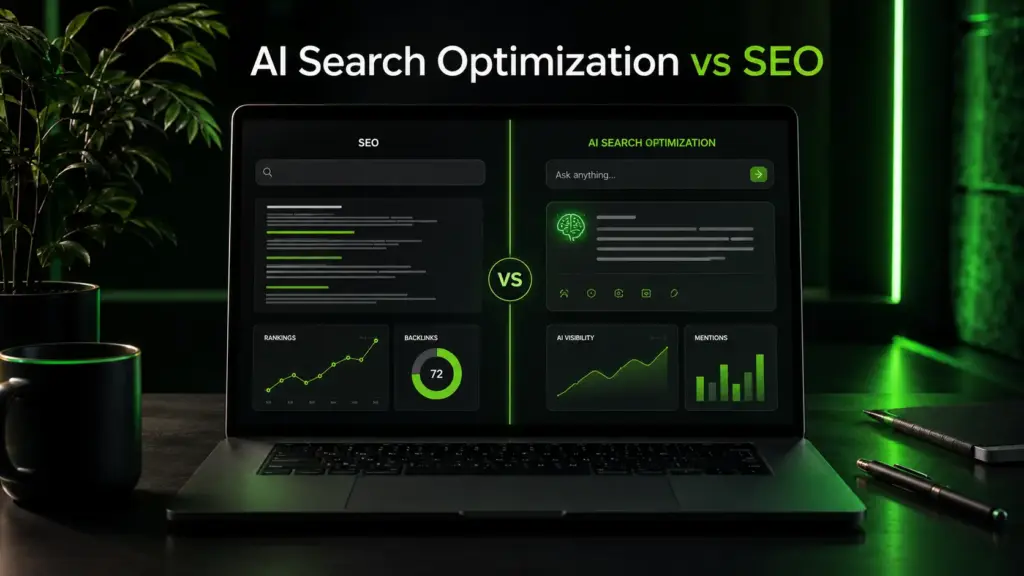
AI search optimization is the process of improving your website so AI-powered search systems can understand, summarize, and reference your content in generated answers. Traditional SEO mainly focuses on ranking pages in standard search engine results. Both are connected, but AI-driven search requires clearer answers, stronger authority signals, structured content, and deeper topical coverage.
The biggest shift is simple: search is becoming less about matching keywords only and more about understanding meaning. Users now ask longer questions, expect direct answers, and compare options inside AI-generated results. That means brands need content that is helpful for readers and easy for AI systems to interpret.
What Is AI Search Optimization?
AI Search Optimization Meaning
AI search optimization means preparing your content for AI-powered search experiences. These experiences may include AI-generated summaries, conversational answers, recommendation-style responses, and answer engines that pull information from multiple sources.
In simple terms, AI SEO helps your content become easier to understand, extract, summarize, and trust. It is not only about using the right keyword — it is about answering the right question with enough clarity, context, and authority.
Why AI Search Optimization Matters
AI search optimization matters because search behavior is changing. Many users no longer want to open ten pages to collect basic information. They want direct explanations, quick comparisons, summaries, and practical recommendations. AI systems favor content that is clear, specific, well-organized, and supported by recognizable expertise.
Strong content structure helps both humans and machines. Clear headings, short paragraphs, direct answers, schema markup, internal links, and updated information all make a page easier to process and reference.
What Is Traditional SEO?
Traditional SEO Meaning
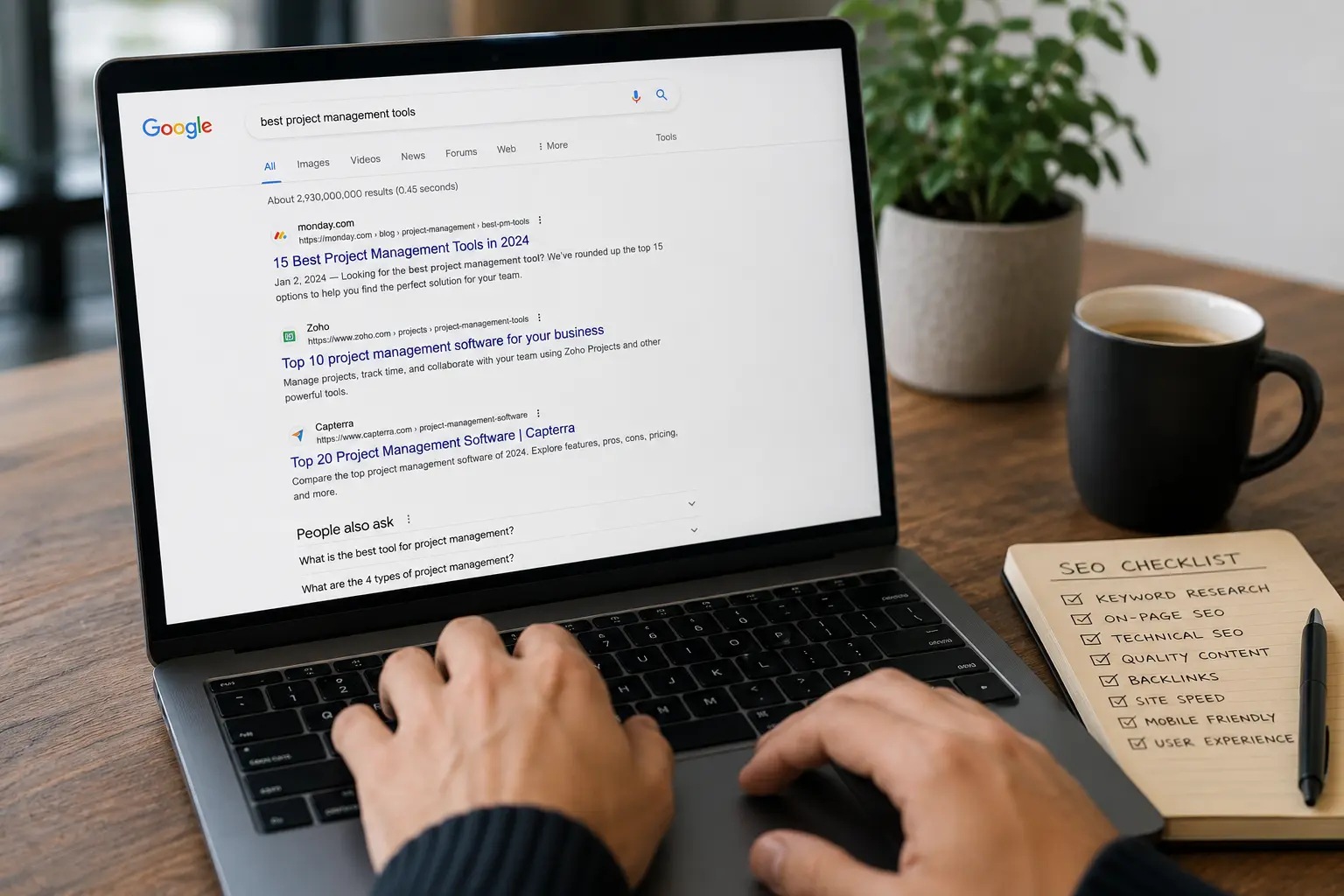
Traditional SEO is the process of improving a website so it ranks higher in organic search engine results pages. It includes keyword research, on-page SEO, technical SEO, internal linking, content quality, backlinks, site speed, mobile experience, and user experience. Classic SEO usually focuses on ranking for specific search queries — the goal is to earn impressions, clicks, traffic, leads, and conversions.
Why Traditional SEO Is Still Important
AI search does not replace traditional SEO. It builds on top of it. If your website has poor crawlability, weak technical structure, thin content, missing internal links, or confusing pages, it will struggle in both classic search and AI-powered discovery. For businesses that need stronger foundations, improving technical structure, headings, internal links, and content quality through professional on-page SEO services can support both traditional rankings and AI search visibility.
Think of traditional SEO as the foundation. AI search optimization is the next layer. Without the foundation, the next layer becomes weak.
AI Search Optimization vs SEO: 7 Key Differences
| Traditional SEO | AI Search Optimization |
|---|---|
| Ranks pages in search results | Referenced in AI-generated answers |
| Keyword targeting | Context and entity understanding |
| Rankings and clicks | Mentions, citations, and summaries |
| Content length | Content usefulness and clarity |
| Backlinks as authority | Broader authority signals |
| SERP optimization | Generative engine optimization |
| Google traffic focus | Visibility across AI platforms |
Why AI SEO Matters for Modern Websites
How AI SEO Changes Search Behavior
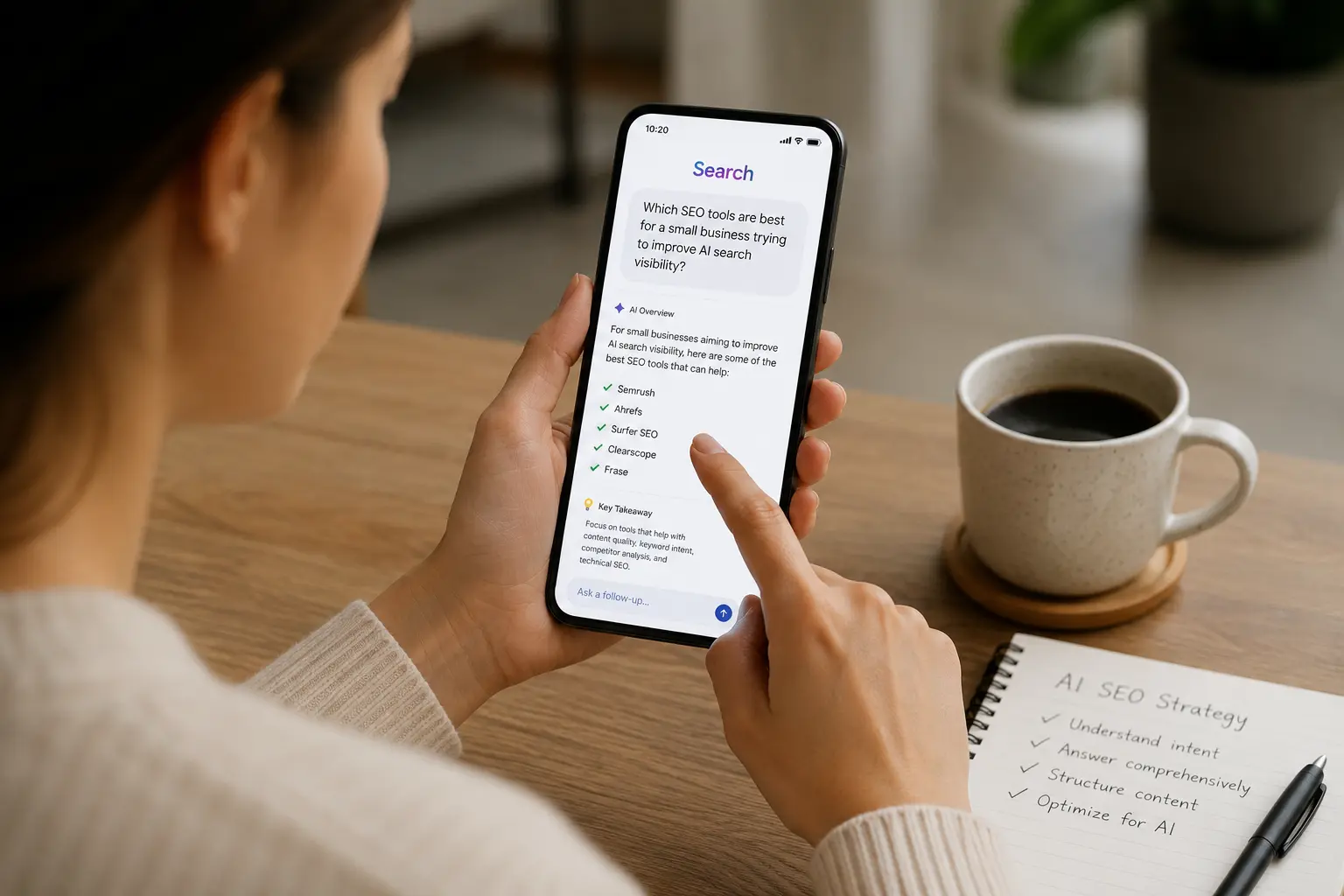
AI SEO matters because users are asking more detailed questions. Instead of searching "SEO tools," they may ask, "Which SEO tools are best for a small business trying to improve AI search visibility?" That kind of query needs a complete answer — definitions, comparisons, trade-offs, recommendations, and next steps. This is why modern content should target full search intent, not just short keywords.
Why Brands Need Better Content Structure
AI tools need clear signals. Good structure helps readers understand your content and helps search systems identify the purpose of each section. Useful structure includes clear H2 and H3 headings, direct answers after headings, short paragraphs, FAQ sections, schema markup, relevant internal links, author credibility, updated information, and original examples.
To build a smarter workflow, businesses can also learn how to use AI for SEO to support research, outlines, content improvement, and optimization without losing human quality. The goal is not to write robotic content — it is to make expert content easier to find, understand, and trust.
How to Improve AI Search Ranking
AI Search Optimization Checklist
To improve AI search optimization, websites should focus on clarity, trust, structure, and depth. Use this checklist before publishing or updating important pages:
- Answer the main question in the first 100 words
- Use natural language and clear explanations
- Cover the topic from beginner to practical level
- Add examples, comparisons, and action steps
- Use relevant internal links to related pages
- Include original insights or experience
- Add FAQ sections for conversational queries
- Keep pages crawlable and indexable
- Improve page speed and mobile usability
- Strengthen brand authority with quality mentions
- Use schema markup where appropriate
- Update important articles regularly
Tools That Can Help With AI Search Ranking
Tools can help with keyword research, content gaps, SERP analysis, internal linking, technical SEO, schema validation, and performance tracking. Choosing the best SEO tools in 2026 can help marketers identify content gaps, monitor keyword visibility, improve technical SEO, and prepare content for AI-driven search experiences. However, tools should support strategy, not replace it — the strongest AI search ranking improvements come from combining data with human judgment, original expertise, and useful content.
What Type of Content Performs Best for AI Search Optimization?
Content That Answers Questions Clearly
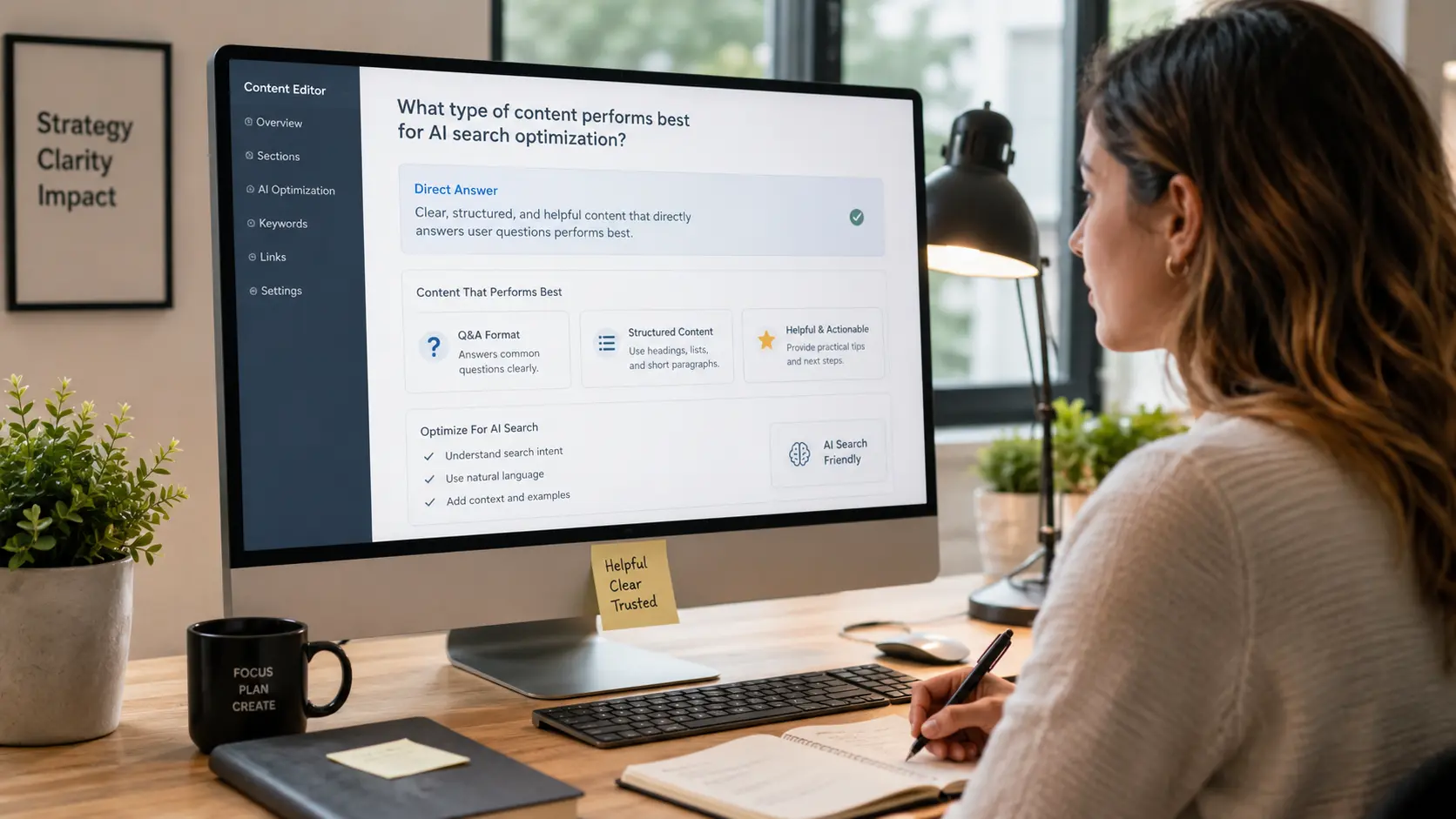
The best content for AI search is direct, helpful, and organized around real user questions. Each section should answer a clear search intent instead of only repeating keywords. If a heading asks "What is generative engine optimization?", the first sentence should define it — then explain why it matters, how it works, and how businesses can apply it. Clarity is powerful. AI-generated answers often pull from content that is easy to interpret.
Content That Builds Topical Authority
AI search ranking can improve when a website covers a topic deeply across multiple connected pages. One article is useful, but a content cluster is stronger. For example, a website could create one pillar article about AI search optimization, then support it with articles about AI SEO tools, on-page SEO, content optimization, technical SEO, schema markup, and AI content workflows. Internal links connect these pages and help search systems understand topical relationships.
The best content is not generic. It includes original examples, practical advice, clear explanations, and a consistent point of view that makes the brand recognizable and trustworthy.
Final Thoughts
AI search optimization does not replace traditional SEO. It expands it. Websites still need technical SEO, helpful content, crawlable pages, internal links, backlinks, and strong user experience. The difference is that content now needs to work inside AI-generated search results as well as traditional rankings — that requires clearer answers, stronger context, better structure, and deeper topical authority.
Brands that adapt early will have an advantage. They will not only compete for clicks — they will compete for mentions, summaries, citations, and trust across AI-powered search experiences. AI search optimization is the next stage of modern SEO. It helps your website become easier to understand, easier to reference, and more useful in the search experiences people are already using.
Need Help Improving Your SEO for AI and Traditional Search?
Get professional on-page SEO support to improve content structure, internal linking, and keyword strategy for both traditional rankings and AI-powered visibility.
View On-Page SEO Services →Frequently Asked Questions
AI search optimization is the process of improving website content so AI-powered search systems can understand, summarize, and reference it in generated answers. It focuses on clear explanations, strong structure, topical authority, trustworthy information, and content that directly answers user questions. The goal is to increase visibility in AI-generated search results and conversational search experiences.
AI search optimization and SEO are connected, but they are not exactly the same. Traditional SEO focuses on ranking pages in standard search results, while AI search optimization also focuses on visibility in AI-generated answers, summaries, mentions, and citations. Strong SEO foundations still matter because AI search depends on crawlable, useful, and trustworthy content.
You can improve AI search ranking by creating clear, useful, well-structured content that answers real questions. Use strong headings, short paragraphs, internal links, FAQ sections, schema markup, and original insights. Technical SEO, crawlability, page speed, mobile experience, and brand authority also support stronger visibility in AI-powered search results.
Generative engine optimization is the process of improving content so AI engines can understand and use it in generated responses. It focuses on clarity, authority, structured information, and content that helps answer conversational queries. It works best when combined with traditional SEO, strong internal linking, useful examples, and trustworthy brand signals.
AI SEO does not replace traditional SEO. It builds on it. Websites still need technical SEO, helpful content, backlinks, internal links, and good user experience. The difference is that content also needs to be easy for AI systems to interpret, summarize, and reference in answer-based search experiences.