Google Dance describes the unpredictable movement of website rankings in Google search results. A page might rank third today, drop to tenth tomorrow, and return to its previous position shortly afterward. These changes can create uncertainty for website owners who depend on organic traffic.
In 2027, understanding Google Dance will remain important for businesses trying to maintain search visibility. Ranking fluctuations can result from algorithm updates, changing competition, technical issues, or content reassessment.
However, a sudden ranking drop does not automatically indicate a penalty or permanent SEO failure. Understanding the causes, duration, and appropriate responses helps website owners protect their search performance without making unnecessary changes.
Table of Contents
- What Is Google Dance in SEO?
- What Causes Google Ranking Fluctuations?
- How Long Does Google Dance Last?
- How to Manage Google Dance and Protect SEO Performance
- How to Build a More Resilient SEO Strategy for 2027
- Conclusion
- Frequently Asked Questions
What Is Google Dance in SEO?
Google Dance refers to noticeable changes in website positions across Google’s search results. It was especially common in the early 2000s, when periodic updates caused visible ranking swings, and that original era largely ended around 2003 as Google shifted toward more real-time indexing. Today, it is commonly used to describe broader ranking volatility, including testing phases for content or algorithm updates.
Understanding this behavior is important because search rankings are dynamic rather than permanently fixed. As Google’s search algorithm and the indexing process became more continuous, the meaning of the term evolved beyond those earlier update cycles.
How Google Dance Affects Search Rankings
Ranking fluctuations can affect how rankings change for individual keywords, specific pages, or an entire site.
For example, an informational article ranking in the top five results might temporarily move to the second page. This can reduce organic impressions, clicks, and potential conversions. In the original Google Dance, different searchers could sometimes see different results because data center synchronization was still catching up during updates.
However, rankings may subsequently rise again later without major site changes.
Businesses should therefore evaluate long-term performance rather than reacting to every daily movement.
Why Google Dance Happens
Google continuously reevaluates webpages through Google updates and Google’s algorithm, so rankings can move as pages are reassessed.
Several factors can influence ranking movement:
- Changes in how search systems evaluate relevance.
- Newly published or improved competitor content.
- Website updates, indexing changes, and new content.
- Shifts in search behavior and user intent.
- Technical problems affecting crawling or accessibility.
Google now updates its index multiple times daily, so fluctuations caused by reevaluation are often more frequent than in the past.
Not every fluctuation signals a serious problem. Many movements reflect normal competition and ongoing changes in search results. Search engine results pages are not static, so movement in SERPs is normal.
What Causes Google Ranking Fluctuations?
Google ranking fluctuations can occur for several reasons, making accurate diagnosis essential before implementing SEO changes.
The Role of Google Algorithm Updates
Google’s algorithm updates can cause unpredictable ranking changes as they change how websites are evaluated and ranked.
Broad core updates use algorithms to reassess search results across many topics, not just individual pages or keywords.
Consequently, some pages may gain visibility while others lose positions.
A ranking decline does not necessarily mean a website violated Google’s policies. Competing pages may simply become more relevant to particular searches.
That makes patience especially important before assuming a penalty.
Website owners should examine affected keywords, traffic patterns, and content quality before deciding whether improvements are necessary. A key takeaway is to improve the overall site experience and topical relevance rather than react to every fluctuation. Early Google Dance periods also shaped SEO professionals’ practices by discouraging manipulative techniques and reinforcing quality-focused SEO.
Technical SEO, Competition, and Content Changes
Algorithm updates are not responsible for every ranking decline.
Technical problems, including broken redirects, incorrect canonical tags, blocked pages, or server errors, can interfere with search visibility. In practice, many factors beyond algorithm changes can affect volatility.
Major website changes can also temporarily affect rankings. Understanding SEO during website migration helps businesses manage redirects, indexing, and structural changes more effectively, and you may notice that a newly published page on the web is briefly used to test response after visible updates.
Similarly, competitors may publish stronger content or improve existing pages. New backlinks can increase volatility, while greater website maturity often reduces how often rankings fluctuate.
These situations require targeted investigation rather than assuming every movement represents an algorithm-related problem. More competitive target keywords may also take longer to settle.
How Long Does Google Dance Last?
There is no universal timeframe for Google Dance.
Minor fluctuations may settle within several days, while changes associated with broader search updates can develop over several weeks.
Some ranking differences persist because search systems have reassessed which pages best satisfy users.
Temporary vs. Long-Term Google Dance SEO Changes
Temporary volatility often involves rankings rising and falling repeatedly within a relatively narrow range before settling.
Long-term changes may involve sustained declines in organic clicks, impressions, or keyword visibility.
For example, moving between positions four and seven for several days is different from falling from position three to thirty for an extended period. This often happens at a point when Google is still collecting data and comparing the page with similar content. More competitive terms can fluctuate longer before reaching a stable position.
Distinguishing these patterns helps determine whether immediate action is justified.
Signs Your Rankings May Stabilize
Several indicators can help identify stabilization:
- Rankings stop moving dramatically between checks.
- Organic clicks become more consistent.
- Important pages regain lost visibility.
- Impressions return to their previous range.
- Indexing and crawling remain healthy.
These signs are useful indicators, not guarantees of recovery. If a newer site or page is still volatile while Google completes its evaluation, there is no need to worry.
During major updates, allow the rollout to finish before drawing conclusions. Comparing performance after the rollout with an equivalent earlier period can provide a clearer picture, since stabilization becomes easier to confirm once updates have finished rolling out and more representative data is available.
How to Manage Google Dance and Protect SEO Performance
The best response to ranking volatility combines careful monitoring, technical investigation, and meaningful content improvements.
Avoid rewriting successful pages immediately after a single ranking decline.
Monitor Rankings Using Google Search Console
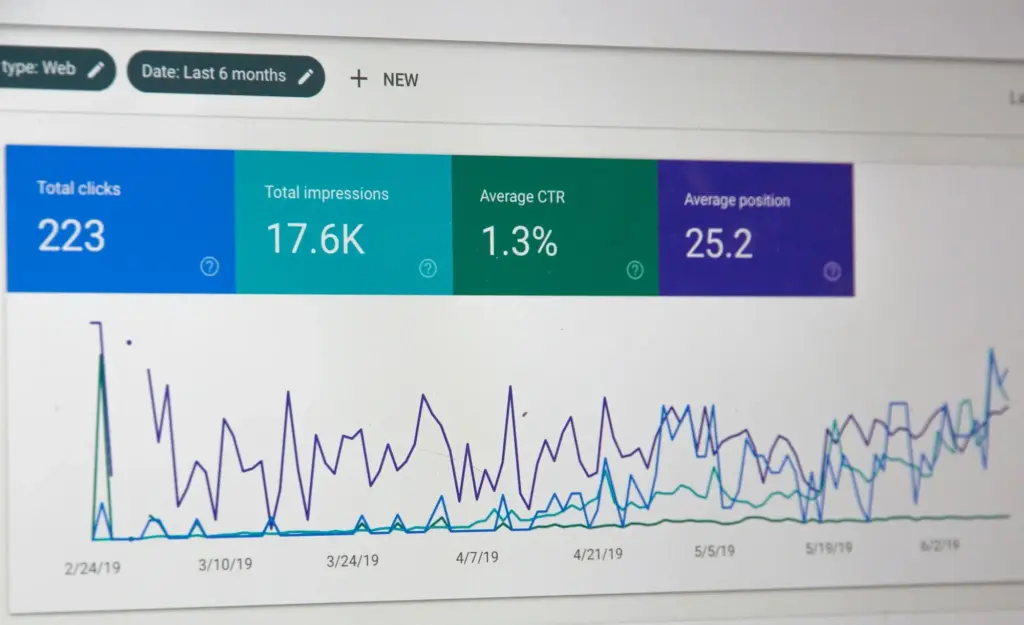
Google Search Console provides valuable information about organic search performance, so monitor your site there instead of reacting to one-day ranking shifts.
Website owners should:
- Compare clicks, impressions, and average positions across relevant periods.
- Identify which pages and queries experienced declines.
- Check whether changes affect desktop or mobile searches.
- Review indexing reports for technical problems.
- Compare current results with historical and seasonal trends.
If rankings change but traffic and conversions stay steady, the movement may not justify immediate action.
Prioritize meaningful changes in traffic and visibility rather than focusing exclusively on individual keyword positions.
If a major update recently occurred, allow sufficient time for performance data to become representative. Also, notice broader patterns across queries and pages instead of focusing on a single drop.
Improve Content Quality and Technical SEO
When performance problems persist, evaluate whether your pages genuinely satisfy search intent, since Google’s search algorithm weighs usefulness, relevance, and user experience together.
Review content accuracy, clarity, originality, internal linking, and topical relevance. Research is indicating that broader topical relevance often helps pages rank for more related queries than exact-match keyword targeting alone.
Effective content writing should answer readers’ questions clearly instead of repeating keywords unnecessarily.
Technical improvements also matter. Ensure important pages remain crawlable, navigation works properly, and mobile visitors receive a reliable experience.
The goal is not to manipulate short-term ranking movements but to strengthen the website’s overall usefulness. Long-term resilience also depends on a strong backlink profile.
How to Build a More Resilient SEO Strategy for 2027
Preparing for ranking changes requires a sustainable approach rather than depending on isolated optimization techniques.
Focus on Long-Term Content Value
High-quality content should solve real problems and remain useful as search expectations evolve.
Businesses can strengthen their websites by regularly reviewing outdated information, improving content organization, and addressing unanswered audience questions.
Understanding the role of SEO in digital marketing also helps connect organic visibility with broader business goals.
Instead of measuring success solely through target keywords, monitor qualified traffic, engagement, and conversions. Diversified SEO strategies can help protect visibility, traffic, and conversions when rankings fluctuate.
Prepare for Future Google Algorithm Updates
Although specific changes in 2027 cannot be predicted with certainty, Google’s search algorithm and indexing systems continue to evolve, so businesses can prepare by maintaining reliable SEO practices.
A key preparation step is accepting that updates are ongoing and not every ranking fluctuation requires intervention.
Focus on:
- Publishing original, helpful information.
- Maintaining accurate and accessible webpages.
- Strengthening relevant internal links.
- Monitoring technical website health.
- Reviewing search performance consistently.
- Avoiding manipulative ranking tactics.
SEO professionals should prioritize consistent quality, relevance, and user experience instead of reacting to every movement.
Regular audits make it easier to detect genuine problems and distinguish them from temporary market-wide volatility.
Conclusion
Google Dance is a natural part of an evolving search environment. Rankings can change because of algorithm updates, competition, technical issues, and shifts in search intent.
The most effective response is to investigate performance trends, address genuine website problems, and avoid unnecessary changes during temporary volatility.
As search continues evolving in 2027, businesses that prioritize useful content, technical reliability, and consistent performance monitoring will be better prepared to navigate Google Dance and maintain sustainable organic visibility.
Frequently Asked Questions
1. What is Google Dance in SEO, and why does it happen?
Google Dance describes fluctuations in website rankings within Google’s search results, and some people use the term to refer to the normal volatility new pages or a new site experience during evaluation and indexing. It happens because search systems continually reassess content relevance, website signals, and competing pages. Google may also temporarily test a page in the results before it settles into a more stable position. Algorithm updates, technical changes, and evolving search intent can all contribute. These movements do not automatically indicate penalties, and temporary declines may resolve without significant intervention.
2. How long does Google Dance last, and does it affect every website?
Google Dance has no fixed duration. Some fluctuations settle within days, while broader ranking changes can last weeks or remain in place. Not every website experiences noticeable volatility, and different pages may respond differently. Monitoring organic traffic and rankings over comparable periods helps distinguish short-term movement from sustained performance changes.
3. How can website owners manage Google ranking fluctuations after an algorithm update?
Website owners should first confirm whether an update has finished rolling out. Next, compare performance in Google Search Console, identify affected pages, and investigate possible technical problems. If substantial declines persist, evaluate content usefulness and search intent. Avoid making extensive changes based only on temporary ranking movement.
4. Can a website recover its rankings after Google Dance?
Yes, websites can regain rankings after temporary fluctuations or sustained declines, although recovery is never guaranteed. Recovery is more likely when a site improves quality, relevance, and technical reliability over time instead of making rushed changes. Recovery timelines vary because search systems evaluate changes differently. Consistent monitoring and evidence-based improvements are more effective than repeatedly changing pages without identifying the underlying problem. Static expectations are unrealistic because search results continue to evolve.