

Referral traffic is website traffic that comes from external websites when users click a link and land on your page. These visits can come from blogs, directories, partner websites, online publications, review platforms, forums, and other referral sources.
For SEO and digital marketing, referral traffic matters because it can bring qualified visitors who already discovered your brand through a trusted third-party source. It also helps improve brand visibility, support authority building, and reveal which external mentions or partnerships are actually driving useful website visits. When tracked correctly, referral traffic in Google Analytics shows which websites send engaged users, leads, sales, and long-term growth opportunities.
What Is Referral Traffic?
Referral Traffic Meaning
Referral traffic happens when someone visits your website by clicking a link from another website. The visitor does not arrive through a search engine, paid ad, direct URL entry, or email campaign — instead, another website acts as the source that sends the user to your page. Common examples include blog links, guest posts, business directories, review websites, partner websites, online communities, digital PR mentions, resource pages, and industry publications.
The key difference is trust. A referral visit often begins with a third-party recommendation — and if the linking website is relevant and credible, the visitor may be more likely to trust your content before they even land on your page.
Why Referral Traffic Is Different from Other Channels
Referral traffic is different because it depends on external websites linking to your content. Organic traffic comes from search engines. Direct traffic usually comes from users typing your URL or using saved bookmarks. Paid traffic comes from ads. Social traffic comes from social platforms, and email traffic comes from newsletter links.
A small number of referral visits from a respected industry website can be more valuable than thousands of low-quality visits from unrelated sources.
Why Referral Traffic Matters for SEO and Website Growth
Referral Traffic Builds Trust and Authority
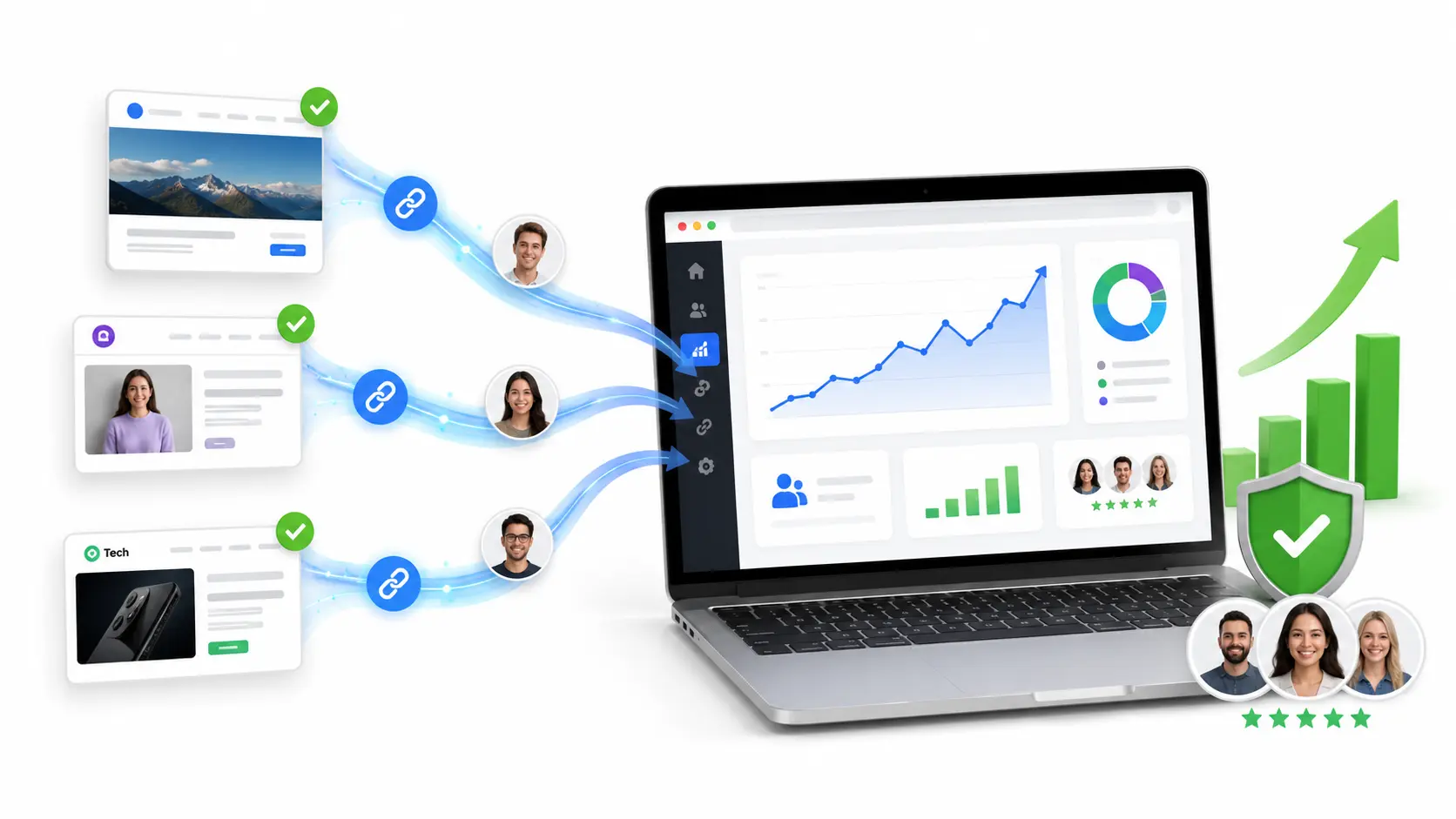
Referral traffic helps your website grow beyond search engine visibility. When quality websites link to your pages, they introduce your brand to an audience that may not have found you through search alone. These links can support brand awareness, audience reach, and perceived authority — a link from a relevant website works like a recommendation, telling users that your content is worth visiting. To build stronger referral traffic, a website also needs relevant mentions and quality links. A strategic approach to authority backlinks can help your website earn links from trusted sources instead of relying on random placements.
Referral Traffic Can Bring Qualified Visitors
Not all traffic has the same value. A website that sends 150 engaged users can be more useful than a website that sends 3,000 visitors who leave immediately. Quality referral sources often send people who are already interested in your topic, service, or product. Referral traffic should not be judged by visits alone — it should be reviewed together with other SEO KPIs, such as engagement, conversions, rankings, and organic visibility.
- Engagement rate and average session duration
- Conversions and assisted conversions
- Pages per session
- Returning users
- Leads or revenue attributed to referral sources
How to Track Referral Traffic in Google Analytics
Referral Traffic in Google Analytics
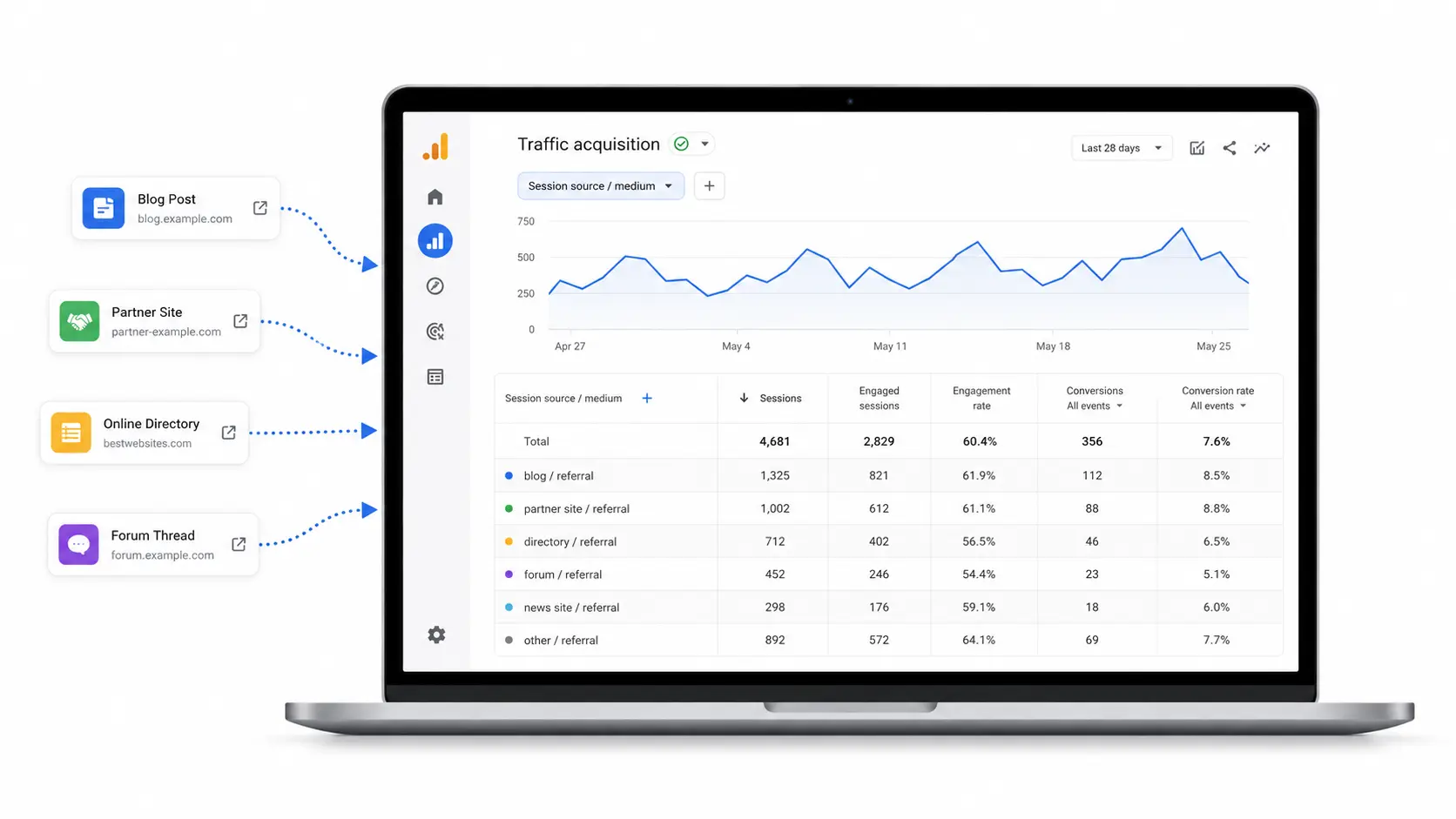
You can track referral traffic in Google Analytics by reviewing your acquisition reports. In GA4, the typical path is: Reports → Acquisition → Traffic acquisition → Session source / medium. Look for traffic where the medium appears as "referral." This report helps you understand which websites are sending visitors to your site — and how those visitors behave after landing on your pages. Do they stay and read? Do they convert? Do they visit important service pages? These questions matter more than the raw number of sessions.
What Referral Sources Should You Review?
Reviewing referral sources helps you separate useful traffic from weak or irrelevant traffic. Look at which websites send the most engaged users, which sources generate leads or sales, which sources have low engagement or may be spam, and which landing pages receive referral visits. A strong referral source should be relevant to your audience — a SaaS business may benefit from software review websites, while a local business may benefit from local directories and publications.
Best Referral Sources to Focus On
Relevant Industry Websites
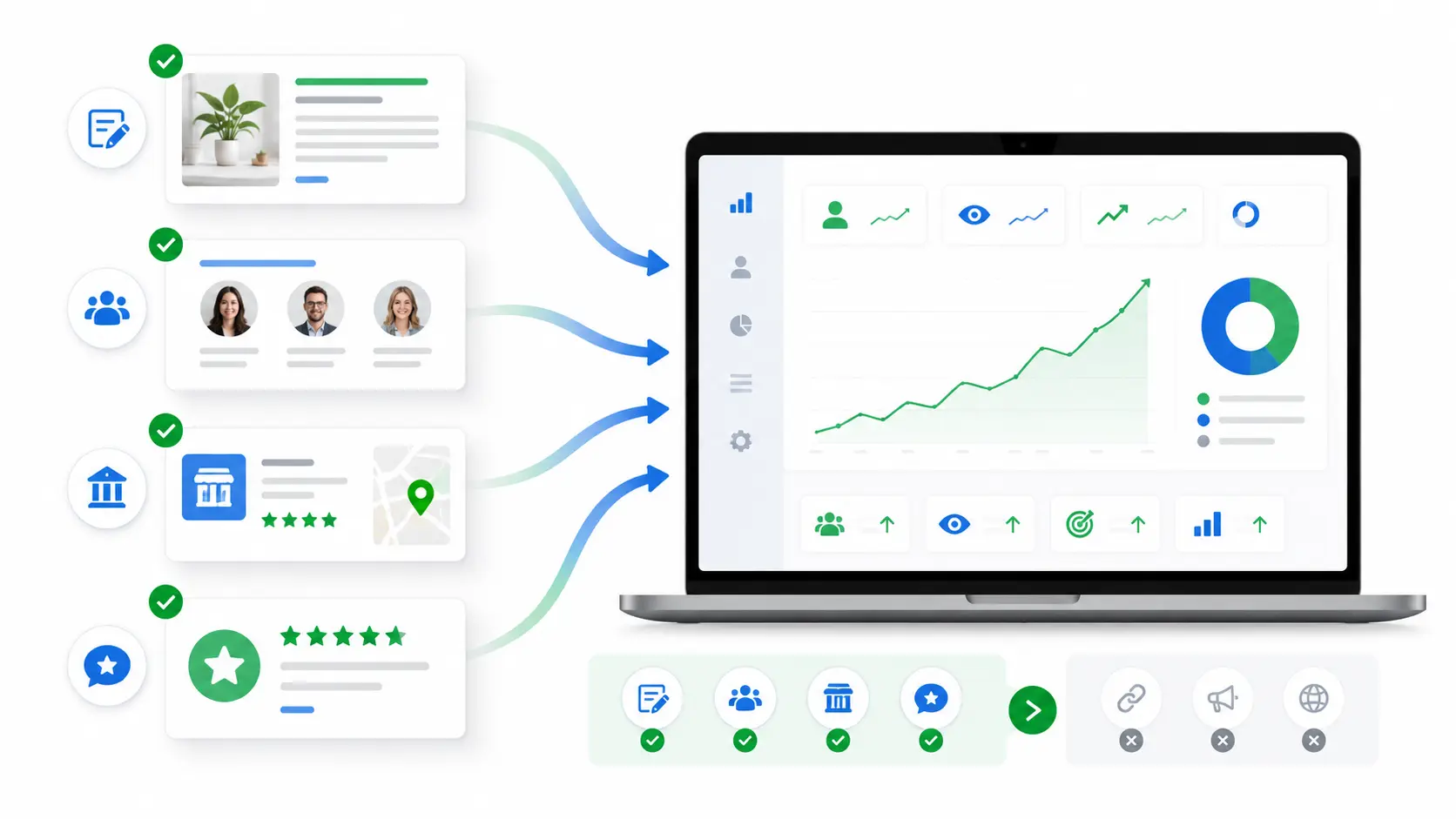
The best referral sources are usually websites that already attract your target audience — industry blogs, niche publications, expert roundups, resource pages, review platforms, podcasts, partner websites, or educational websites. Relevance is more important than size. A smaller website with a highly targeted audience may send better visitors than a large website with no connection to your offer.
Trusted Directories and Review Platforms
Directories can still help increase referral traffic when they are relevant and trustworthy. This is especially true for local businesses, SaaS tools, agencies, hotels, restaurants, medical clinics, and professional services. Good directory listings usually include accurate business information, a clear description, a website link, reviews, images, and category relevance. The goal is not to appear everywhere — the goal is to appear where your ideal audience actually looks.
10 Best Ways to Increase Referral Traffic
Common Referral Traffic Mistakes to Avoid
Referral Traffic SEO Checklist
- Track referral traffic in Google Analytics monthly
- Review referral sources and compare traffic volume with engagement quality
- Identify sources that bring conversions and qualified leads
- Review landing pages that receive referral visits
- Watch for and filter spam referral data
- Build links from relevant, trusted websites
- Create content worth referencing and linking to
- Use guest posting only on quality, relevant websites
- Turn unlinked brand mentions into backlinks
- Build partnerships with relevant brands and complementary businesses
- Track referral traffic alongside broader SEO KPIs
- Avoid low-quality link schemes and spammy directories
- Update and improve content that already earns external links
- Focus on quality visits, not just higher visit numbers
Referral traffic works best when the visitor, source, and landing page all match each other. A relevant visitor from a trusted website is more likely to read, subscribe, inquire, or buy.
How to Measure Referral Traffic Success
Important Referral Traffic Metrics
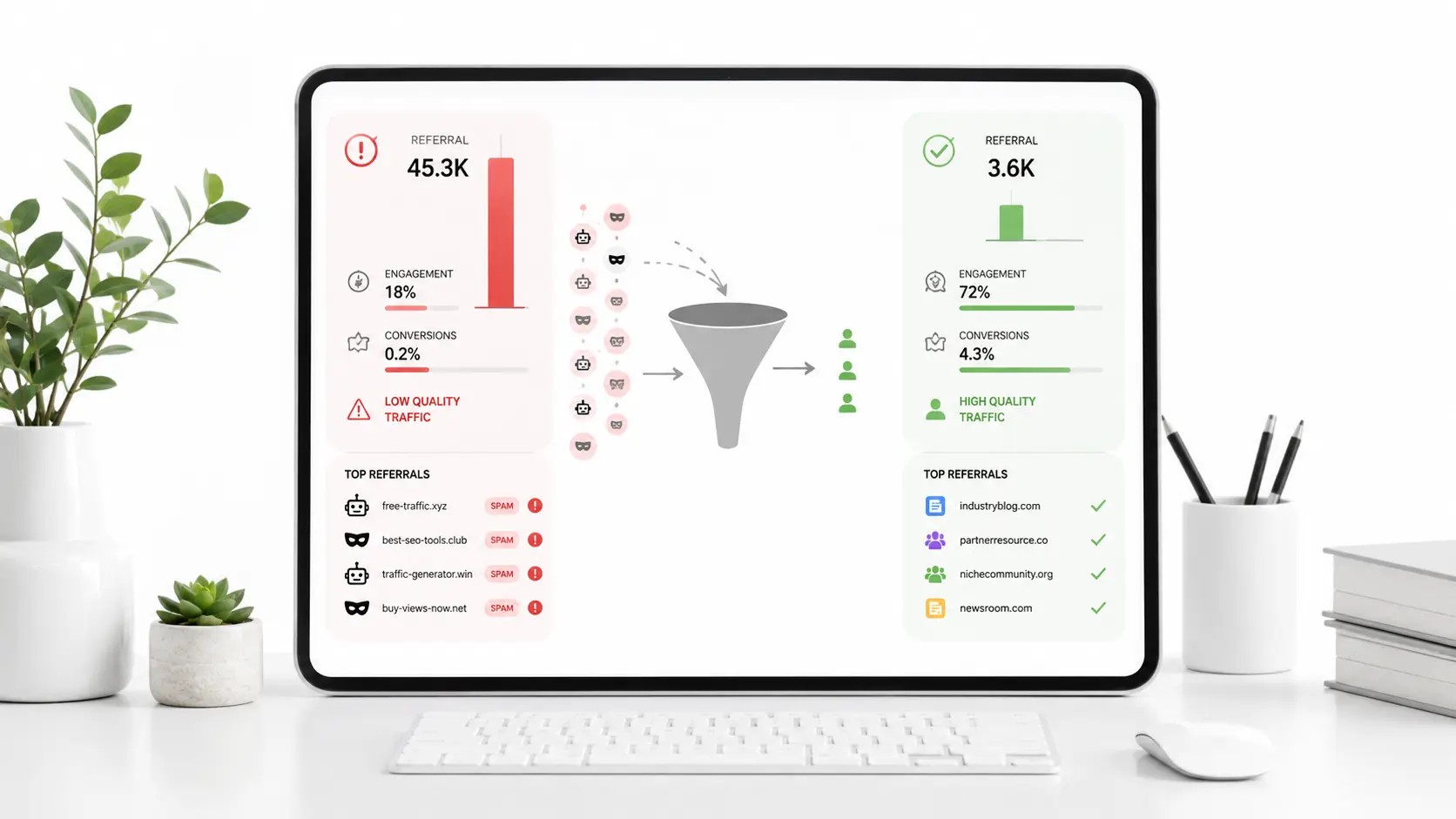
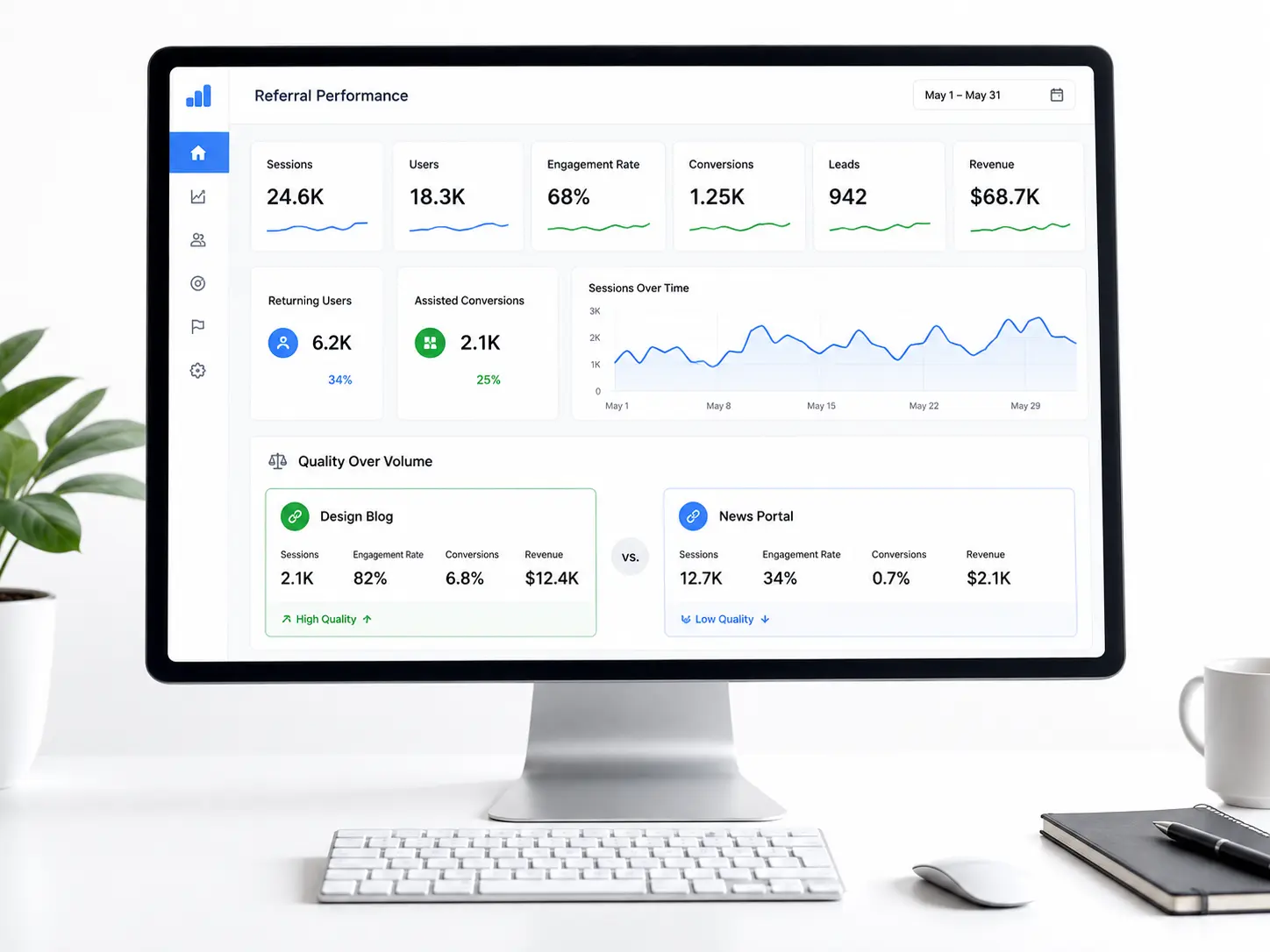
To measure referral traffic properly, review more than sessions. Important metrics include sessions and users, engagement rate, conversions, revenue or leads, session source and medium, landing pages, assisted conversions, and returning users. These metrics help you understand whether referral visits are contributing to business goals — a referral source that brings fewer visits but more leads may be one of your most valuable channels.
How to Know If Referral Traffic Is High Quality
High-quality referral traffic usually shows strong engagement and clear intent. Visitors arrive on relevant pages, stay longer, view more content, and take meaningful actions.
- Strong engagement rate and longer session duration
- Visitors landing on relevant, intent-matching pages
- More leads, sales, or quote requests from that source
- Repeat visits from the same referral website
- Stronger brand awareness and assisted conversions
- Lower bounce rate compared to other channels
Final Thoughts on Referral Traffic
Referral traffic should be part of every serious SEO strategy because it supports more than website visits. It can increase brand visibility, build trust, strengthen partnerships, and reveal which external websites are helping your business grow. Search traffic is valuable, but it should not be your only growth channel — a strong referral strategy gives your website more ways to attract qualified visitors from trusted sources.
The best approach is simple: create useful content, earn relevant links, track referral traffic in Google Analytics, review referral sources regularly, and improve what already works. When measured properly, referral traffic becomes more than a channel — it becomes a signal of authority, trust, and long-term website growth.
Need Help Building Authority and Referral Traffic for Your Website?
Get professional link building and SEO support to earn relevant backlinks, improve brand visibility, and attract more qualified visitors from trusted sources.
View Link Building Services →Frequently Asked Questions
Referral traffic is website traffic that comes from users clicking links on other websites. It is important because these visitors often arrive through trusted sources such as blogs, directories, partner websites, or online publications. This can improve brand visibility, attract qualified users, and show which external websites are helping your business grow.
You can track referral traffic in Google Analytics by going to acquisition reports and reviewing traffic by source and medium. In GA4, open Reports, then Acquisition, then Traffic acquisition. Look for sessions where the medium is listed as referral. You can also review engagement, landing pages, and conversions to measure traffic quality.
You can increase referral traffic by earning links from relevant websites, publishing link-worthy content, using guest posts carefully, getting listed in quality directories, building partnerships, and turning brand mentions into links. The goal is not just more traffic — the goal is to attract engaged visitors from trusted sources that match your audience.
Good referral sources are relevant, trusted websites that send visitors interested in your topic, product, or service. These may include industry blogs, review platforms, business directories, online publications, partner websites, resource pages, and niche communities. A strong referral source should bring engaged users, not just empty traffic numbers.
Referral traffic can support SEO by increasing visibility, building authority, and helping your website earn relevant mentions and backlinks. It is not the same as organic traffic, but strong referral sources often come from quality websites. These links and mentions can help strengthen your overall digital presence and brand trust.