

A backlink strategy is a planned approach to earning and placing quality links from relevant websites. Every website needs one because backlinks help search engines understand authority, trust, relevance, and content value. Without a clear plan, backlink building can become random, risky, and difficult to measure.
A safer approach focuses on useful content, relevant websites, natural anchor text, and steady growth. The goal is not to collect as many links as possible — it is to build links that make sense for users and support long-term organic visibility.
What Is a Backlink Strategy?
A backlink strategy is the process of deciding where, how, and why your website should earn backlinks. It includes researching competitors, finding relevant sites, checking link quality, choosing anchor text, creating valuable content, and tracking results.
Why Backlinks Still Matter for SEO
Backlinks still matter because they act as trust signals. When a relevant website links to your page, it can show that your content is useful enough to reference. Strong backlinks can help improve visibility, increase referral traffic, and strengthen topical authority. However, not every backlink is helpful — a link from an unrelated, low-quality, or spam-heavy site can create more risk than value. That is why planning matters.
How a Backlink Strategy Supports Long-Term Growth
A strong plan supports long-term growth by helping your website earn links gradually and naturally. Instead of chasing shortcuts, you focus on building authority through useful content and relevant placements. Quality backlinks are easier to trust, more useful to readers, and better aligned with sustainable SEO performance.

Why Every Website Needs a Backlink Strategy
Every website competes for attention. Even great content can struggle if no trusted websites mention or link to it. A planned SEO backlink strategy helps your content become easier to discover and more credible within your niche.
Building Authority Through Relevant Links
Authority grows when your website earns links from sources that match your topic. For example, a marketing blog linking to an SEO service page is more natural than a random gaming site linking to the same page. Relevance helps users too — when readers click a link, they should land on a page that expands the topic or solves a related problem.
Avoiding Random and Risky Backlink Building
Random backlink building often creates weak results. Buying links without checking quality, using exact-match anchors too often, or placing links on unrelated websites can make your backlink profile look unnatural. A safer link building strategy focuses on quality, context, and consistency — asking whether the link belongs there, whether the website has real value, and whether the placement helps the reader.
The goal is not to collect as many links as possible. The goal is to build links that make sense for users and support long-term organic visibility.
How to Build a Safe and Effective Backlink Strategy
A safe and effective backlink strategy starts with research, not outreach. Before building links, you need to understand your website, your competitors, and the type of websites that already rank in your niche.
Start With Website and Competitor Research
Review your current backlink profile first. Look at which pages already have links, which pages need support, and which links may be low quality. Then study competitors to see where they are earning links. Look for patterns such as guest posts, niche blogs, business directories, resource pages, interviews, or editorial mentions. The goal is not to copy every competitor link — it is to understand what works in your market.

Create a Link Building Strategy Based on Relevance
Your link building strategy should prioritize websites that share your audience. Choose sites with useful content, real traffic, clean design, and natural outbound links. If you want a structured approach, professional link building services can help you plan safer outreach, evaluate websites, and build links with better relevance.
9 Best Ways to Build Safer SEO Links
Safer SEO links come from planning, quality checks, and natural placement. These nine methods can help you build a stronger profile without relying on spammy tactics.
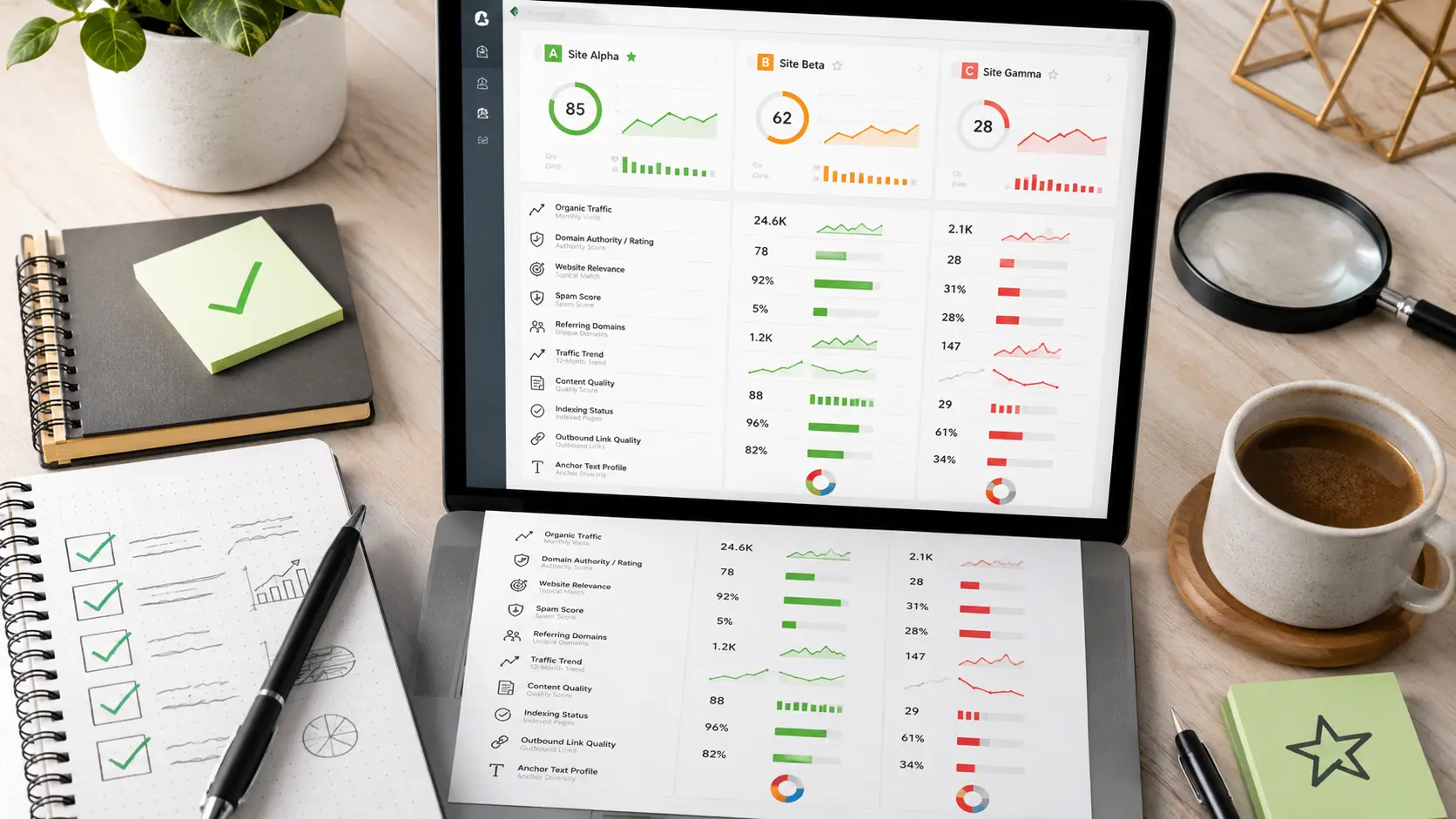
Backlink Strategy Metrics to Check Before Choosing a Website
Choosing the right website is one of the most important parts of a safer backlink strategy. Good metrics help you avoid weak placements and focus on links that support long-term growth. Metrics should not be judged alone — a website may have a strong authority score but poor relevance, or moderate authority but excellent niche alignment and real traffic.
Backlink Strategy Metrics That Matter Most
Red Flags to Avoid Before Building Links
- Copied or thin content with no original value
- No organic traffic or suspicious traffic spikes
- Too many outbound links with no editorial control
- Unrelated categories covering every possible topic
- Poor design, broken pages, or slow performance
- Sudden traffic drops that suggest penalties

Common Backlink Building Mistakes to Avoid
Even experienced website owners can make mistakes when trying to build links quickly. The biggest problems usually come from ignoring quality, relevance, and natural growth.
Buying Links Without Checking Quality
Buying links without reviewing the website can lead to poor placements. A link may look good on the surface but come from a site with weak content, fake traffic, or spammy outbound links. A better approach is to check every website manually — read recent posts, review categories, inspect link patterns, and confirm the site serves a real audience.
Using the Same Anchor Text Too Often
Repeating the same keyword anchor can create an unnatural pattern. For example, using "backlink strategy" for every link may look forced and trigger negative signals. A safer SEO backlink strategy focuses on relevance, quality, natural anchors, and gradual growth — not repetition.
Ten relevant, high-quality backlinks can be more valuable than hundreds of weak links. Quality links are easier to trust, more useful to readers, and better aligned with long-term SEO growth.
Final Thoughts on Building a Better Backlink Strategy
A strong backlink plan is not about shortcuts. It is about earning and placing links that make sense for your niche, your content, and your readers. Keep your process simple: research first, choose relevant sites, check metrics, write useful content, use natural anchor text, and monitor results.
When combined with careful website selection, useful content, and consistent tracking, your backlink strategy can become one of the strongest parts of your organic growth plan. Build relevant, trustworthy, and natural links — that is how a backlink strategy becomes a sustainable SEO advantage.
Need Help Building a Safer Backlink Strategy?
Get professional link building support to earn relevant, high-quality backlinks that strengthen your SEO authority and support long-term rankings.
View Link Building Services →Frequently Asked Questions
The best backlink strategy focuses on quality, relevance, and natural placement. Instead of building links from random websites, choose sites related to your niche with real organic traffic and useful content. A strong strategy also includes competitor research, varied anchor text, and regular backlink monitoring.
There is no fixed number of backlinks every website needs. It depends on your niche, competition, website age, and content quality. A small website in a low-competition niche may need fewer quality links, while a competitive industry may require a stronger and more consistent backlink building plan.
Yes, guest posting can be useful when it is done carefully. The guest post should appear on a relevant website, offer real value to readers, and include links naturally. Low-quality guest posting on unrelated or spammy websites can hurt SEO instead of helping it.
A high-quality backlink usually comes from a relevant website with real traffic, strong content, clean SEO signals, and natural editorial context. The link should make sense within the article and provide value to the reader instead of looking forced, paid, or promotional.
Yes, bad backlinks can hurt SEO when they come from spammy, irrelevant, or low-quality websites. Too many unnatural links can create risk for your website. That is why every SEO backlink strategy should include quality checks, anchor text control, and regular backlink audits.